

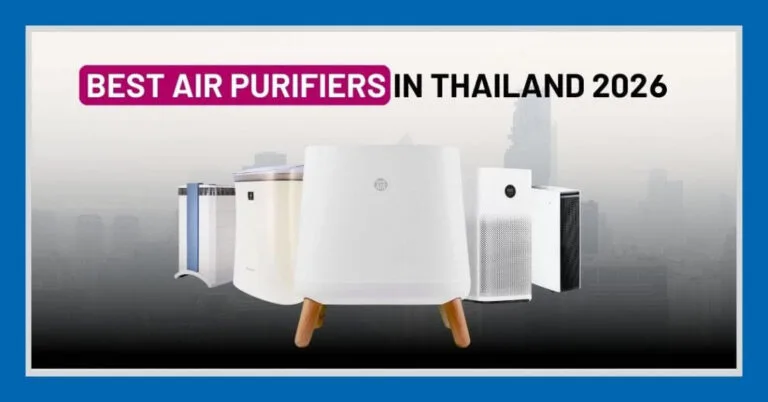
Best Air Purifiers in Thailand 2026: 17 Models, Honestly Compared
by Karl von Luckwald / November 21, 2026
Finding the best air purifier in Thailand isn’t easy. Shopee and Lazada list hundreds of them, from ฿1,500 no-name boxes to ฿60,000 Swiss machines, and every one claims to be the best.
I’ve sold and set up air purifiers in Thailand for years, so here’s what I tell friends who ask me which one to buy. You get the short answer first, then my picks by room size, then 17 models from 10 brands compared on the numbers that actually matter: clean air, noise and cost in baht.
The short version
Who’s writing this, and why it matters
Hi, I’m Karl. More than six years ago I was the confused buyer, scrolling through hundreds of purifiers and wondering if the ฿30,000 ones were really better than the ฿5,000 ones, which filters I needed, and whether ionizers and UV lights were worth it. All my friends in Bangkok were asking the same questions.
So I dug in, and found that an air purifier is basically a fan and a filter. The science is simple. The marketing isn’t. That’s why I started WEDO AIR: to explain air purifiers honestly and sell machines without the gimmicks.
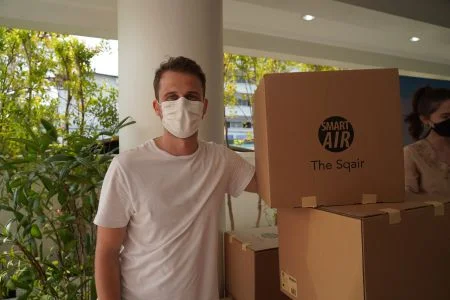
Full disclosure: we sell some of these air purifiers
WEDO AIR sells Smart Air purifiers: the Sqair, SA600, Blast Mini and Blast. We make money when you buy them from us. I also believe they’re the best value for clean air you can get in Thailand, and I’ll show you the numbers behind that, so you don’t have to take my word for it. Where another brand is the better choice for you, I’ll say so.
Specs come from the manufacturers, prices from official Thai stores, checked in November 2026. How we put this guide together.
My top picks at a glance
Short on time? Here’s what I’d buy for each type of room. All four are simple, app-free machines that we sell, deliver and service in Thailand. Further down you’ll find the reasons, the downsides, and my honest picks from other brands.
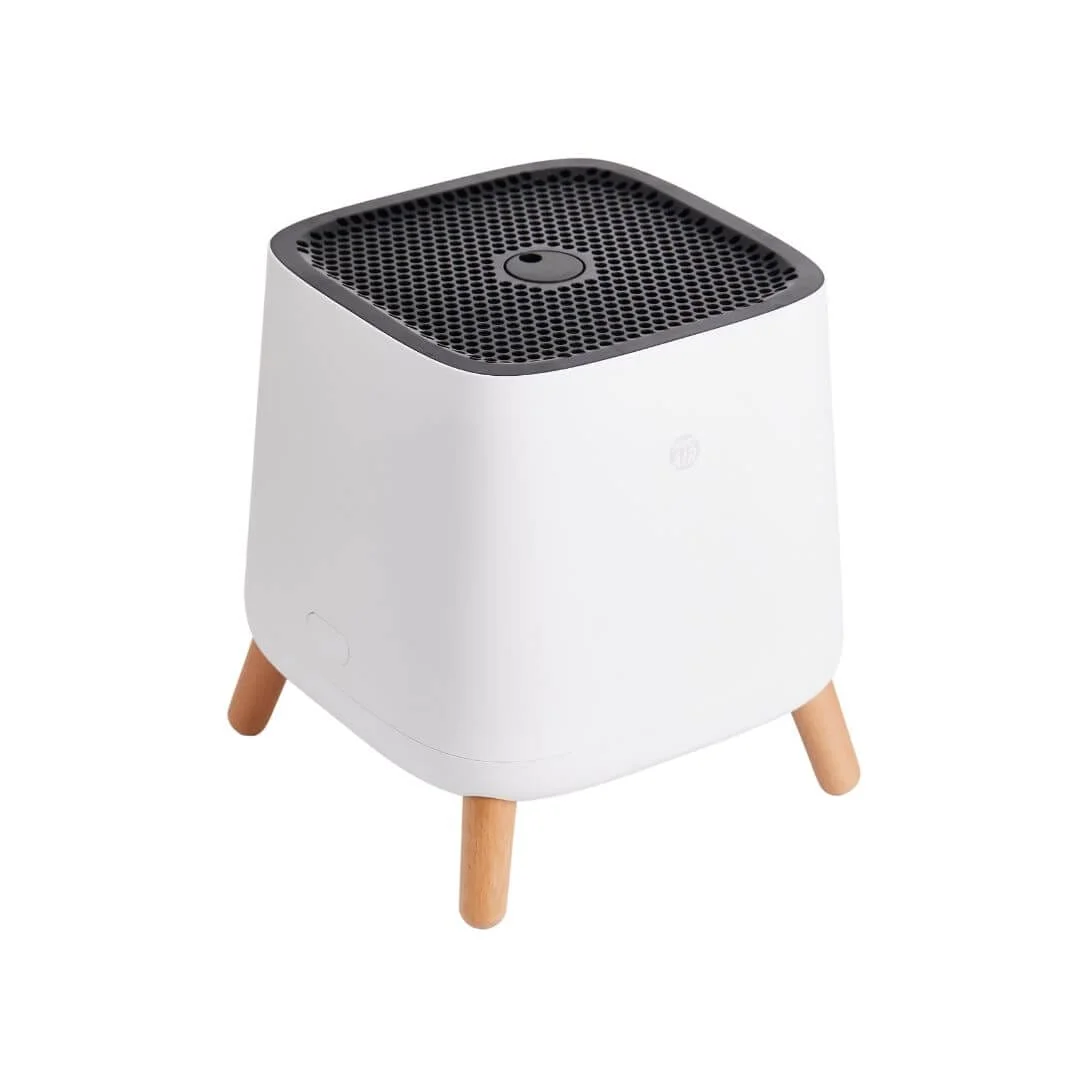
Best for bedrooms
Smart Air Sqair
The no-frills bedroom purifier: a dial, a strong fan, a good filter, and cheap replacements.
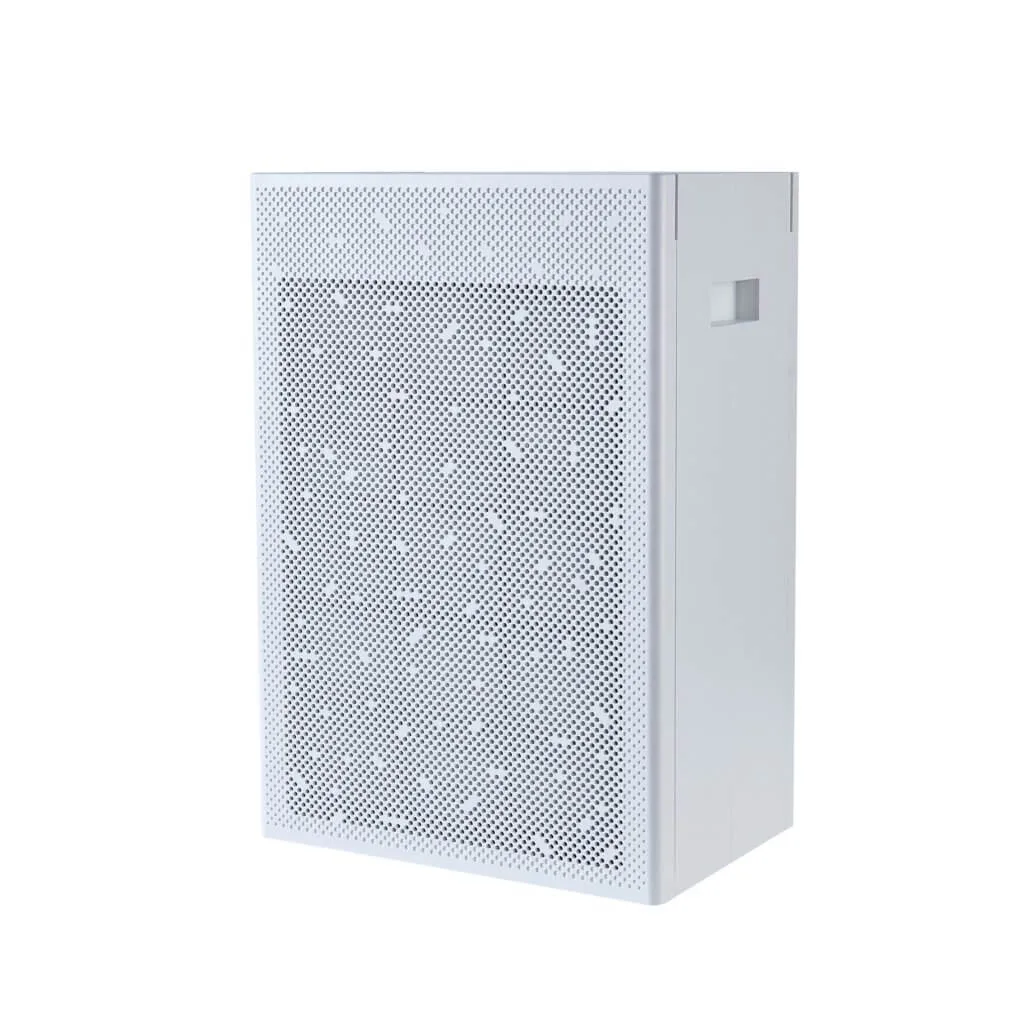
Best for condo living rooms
Smart Air SA600
Lots of clean air for the money, quiet on its lower speeds, with a child lock.
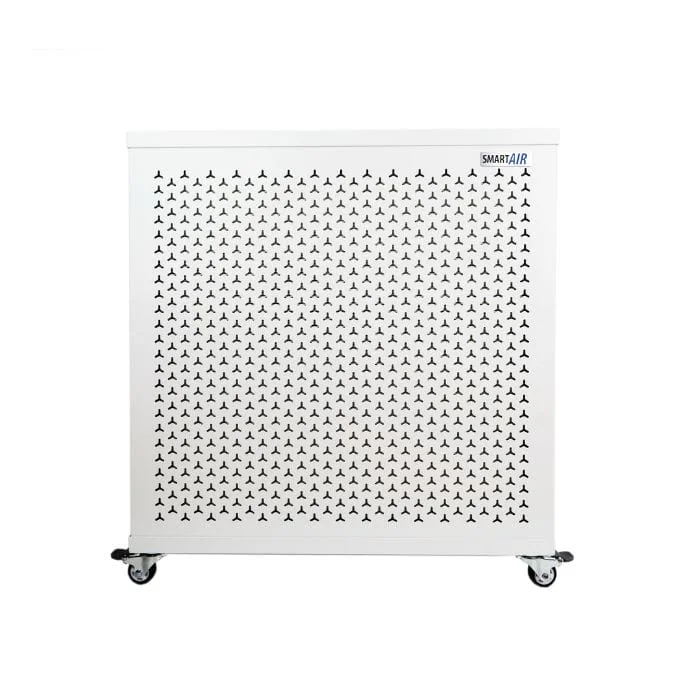
Best for big rooms & light sleepers
Smart Air Blast Mini
Huge airflow that stays remarkably quiet, even on its top speed.
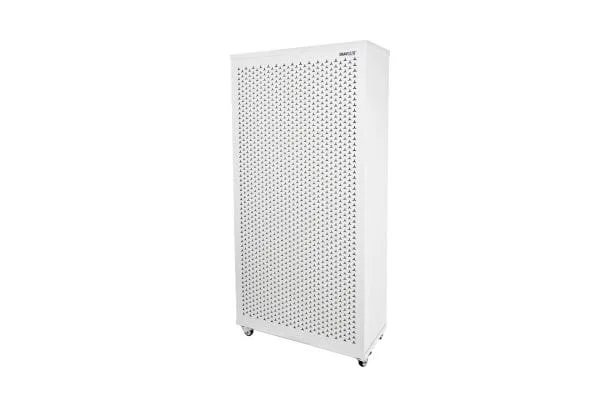
Best for open-plan homes & offices
Smart Air Blast
The workhorse you’ll find in Bangkok hospitals, gyms and offices.
“Rooms up to” is our own estimate at five air changes per hour with a 2.6 m ceiling. It’s smaller than what most boxes promise, on purpose. Here’s why.
Not buying from us? My honest picks from other brands
Do you really need an air purifier in Thailand?
For a big part of the year, yes. PM2.5 (fine dust from burning, traffic and industry) builds up from around November and often stays high until April, especially in the north. In Chiang Mai and Chiang Rai, monthly averages in burning season can sit many times above the World Health Organization’s guideline. Here’s how the season plays out region by region.
15 µg/m³
WHO’s guideline for PM2.5 over 24 hours
37.5 µg/m³
Thailand’s official 24-hour standard, since June 2023
So when the Air4Thai app shows green or yellow, the air can still be well above what the WHO considers safe. That’s worth knowing if you have kids, asthma or allergies.
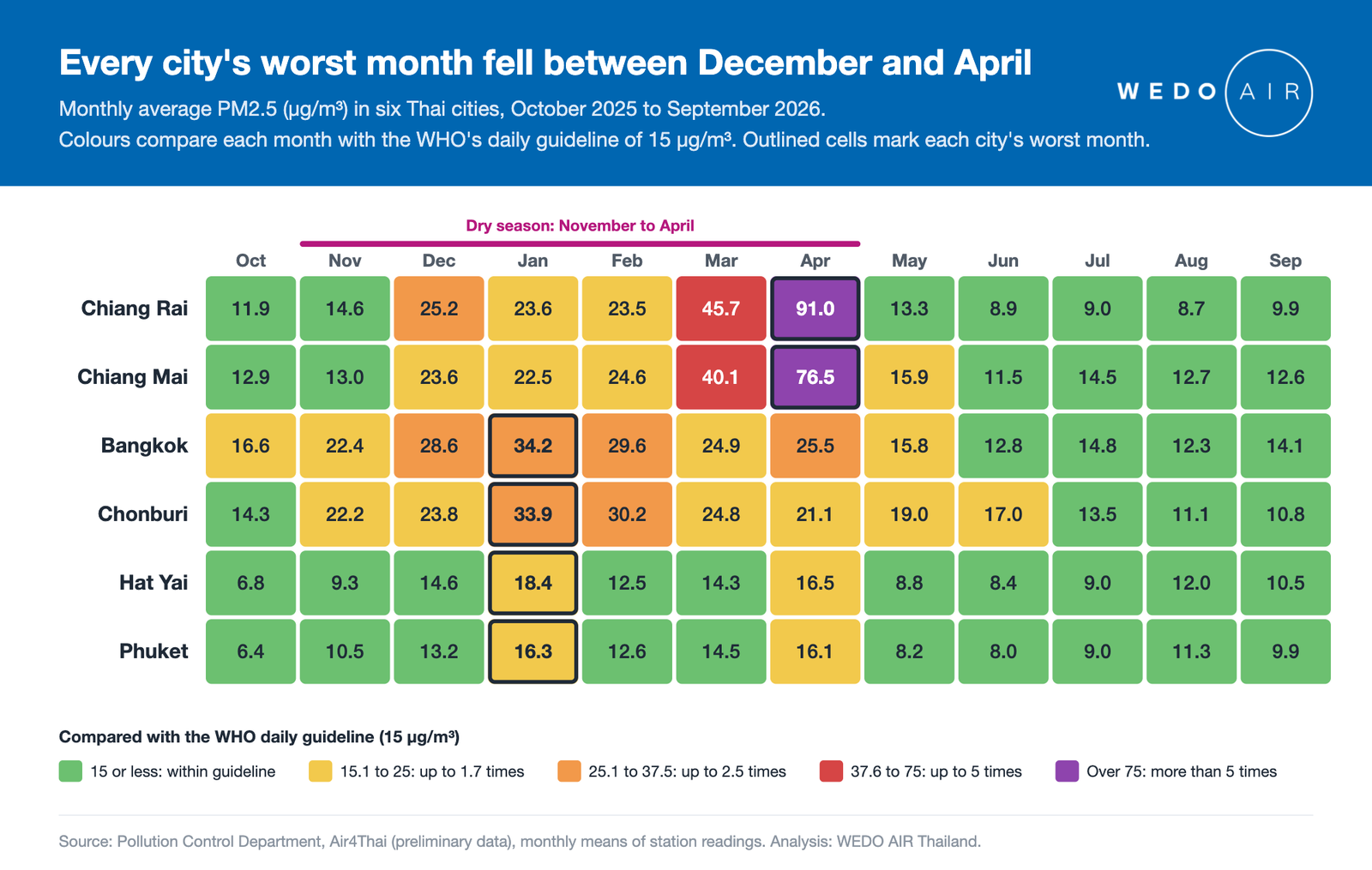
Staying indoors helps less than most people think. PM2.5 particles are tiny enough to slip through gaps around doors, windows and air conditioners, so indoor air often isn’t much better than the air outside. A HEPA air purifier is the simplest and cheapest way to bring it down in the rooms where you spend your time, especially the bedroom.
How to choose an air purifier: the three numbers that matter
When I started, I compared features: apps, sensors, ionizers, “5-stage filtration”. That was a mistake. Only three things decide how clean your air gets and how happy you’ll be living with the machine.
CADR
How much clean air it delivers per hour
dB
How loud it is at the speed you’ll actually use
฿/year
What the filters and electricity cost to keep it running
1. CADR: how much clean air you get
CADR stands for Clean Air Delivery Rate. It tells you how many cubic meters of clean air a purifier pushes out per hour (m³/h). The higher the number, the faster it cleans your room. It’s the single most important number on any spec sheet, and the one many brands make hard to find. More on CADR here.
Look for the particle (smoke or PM2.5) CADR in m³/h. If a brand only lists “airflow”, or no CADR at all, be careful: air moving through a machine isn’t the same as clean air coming out of it.
Why the room size on the box is mostly marketing
Brands love big room numbers: “Suitable for up to 60 m²!” The catch is that these numbers usually assume the purifier cleans your room’s air just once or twice an hour. In smog season, with dirty air leaking in through every gap, that won’t get your room anywhere near clean.
We size purifiers for about five air changes per hour. That’s not something we made up: AHAM, the US appliance association behind the CADR standard, bases its suggested room sizes on 4.8 air changes per hour. Many brands sold in Thailand print room sizes two or three times bigger than that.
The only formula you need
Room size (m²) × ceiling height (m) × 5 = the CADR you need (m³/h)
Example: a 20 m² bedroom with a 2.6 m ceiling needs 20 × 2.6 × 5 = 260 m³/h. A Sqair (315 m³/h) covers it with some room to spare, so it doesn’t have to run flat out.
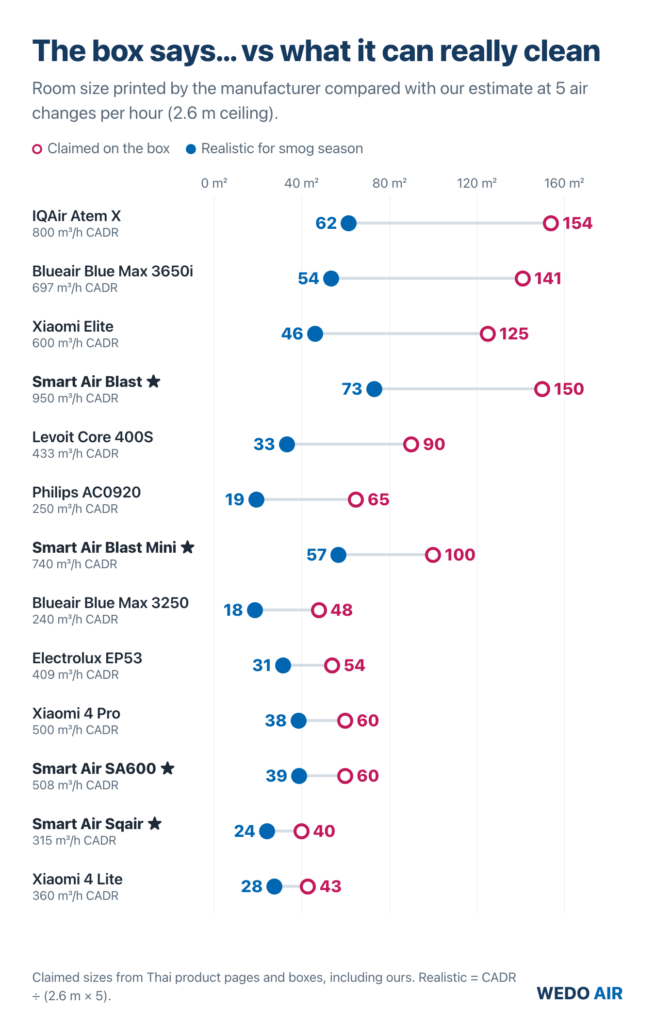
Use this table as a shortcut. It assumes a normal 2.6 m ceiling; if yours is higher, go one size up.
|
Room |
Typical size |
CADR you need |
Our pick |
Other brands that fit |
|---|---|---|---|---|
|
Small bedroom |
12 m² |
~160 m³/h |
Philips AC0920, Blueair 3250 |
|
|
Master bedroom |
20 m² |
~260 m³/h |
Xiaomi 4 Lite, Mijia 6 |
|
|
Studio condo |
30 m² |
~390 m³/h |
Xiaomi 4 Pro, Levoit 400S, Electrolux EP53 |
|
|
1-bed living room + kitchen |
40 m² |
~520 m³/h |
SA600 on high, or Blast Mini |
Xiaomi Elite |
|
Large living room |
55 m² |
~715 m³/h |
Blueair 3650i, IQAir Atem X |
|
|
Office, clinic, open-plan |
70 m²+ |
~910 m³/h+ |
Two smaller purifiers |
2. Noise: check it at the speed you’ll actually use
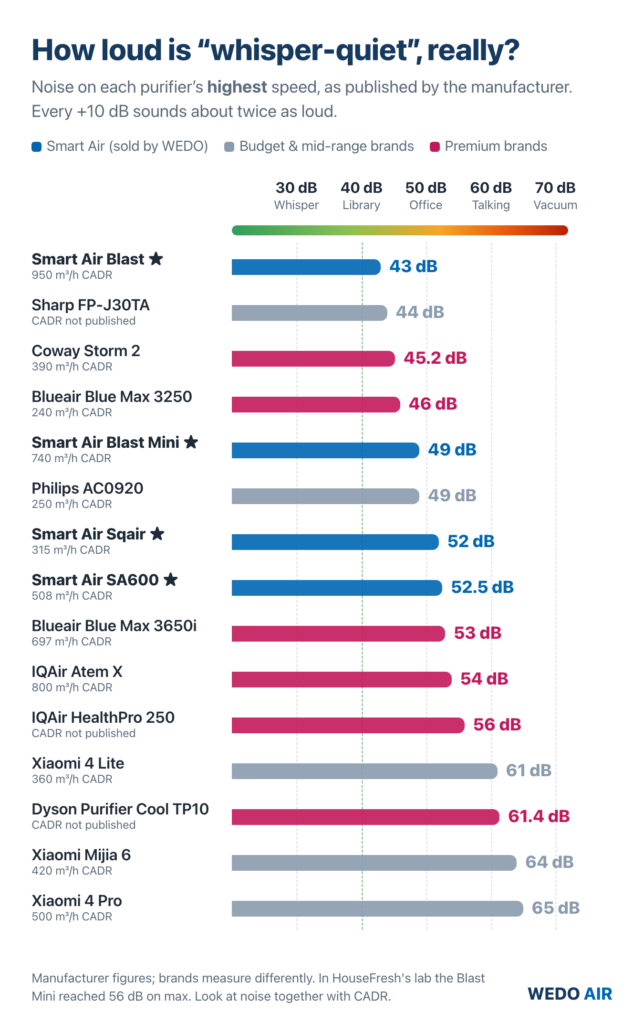
Every brand calls its purifier “whisper-quiet”. They’re quoting the lowest speed, where the machine barely cleans anything. On a smoggy day you’ll want medium or high, and that’s where many purifiers start to sound like a hair dryer. So check the noise at the top speed too, and ask yourself whether you could sleep next to it.
3. Running costs: filters and electricity
The purifier is a one-time cost. Filters are forever. Some brands sell the machine cheaply and make their money on expensive proprietary filters. Before you buy any purifier, look up the price of its replacement filter in Thailand and how often you need one.
฿1,380
Sqair filters per year (HEPA every ~6 months)
฿55
Electricity per month for a Sqair on medium, 24/7
฿360
Electricity per month for the big Blast on max, 24/7
Electricity is the smaller cost. Air purifiers are basically fans, and a Sqair on medium draws just 18 W. At a Thai household rate of roughly ฿4.2 per kWh, running it around the clock costs about ฿55 a month.
Watch out for fake filters
Cheap copies of popular filters are everywhere on Shopee and Lazada. They often smell of chemicals, use weaker filter material, and don’t seal properly, so air flows around the filter instead of through it. Buy replacement filters from the brand’s official store or the shop you bought the purifier from.
Why expensive air purifiers aren’t better
This is the part the big brands won’t like.
Open up a ฿60,000 air purifier and a ฿5,000 one and you’ll find the same two things: a fan that pulls air in, and a HEPA filter that traps the particles. Neither part is expensive to make.
So why do some purifiers cost ten times more? The two original premium brands, IQAir (Switzerland, 1963) and Blueair (Sweden, 1996), started out selling to allergy sufferers in Europe. That was a small niche with little competition, where high prices were normal. When air pollution hit Asia, they brought those prices with them.
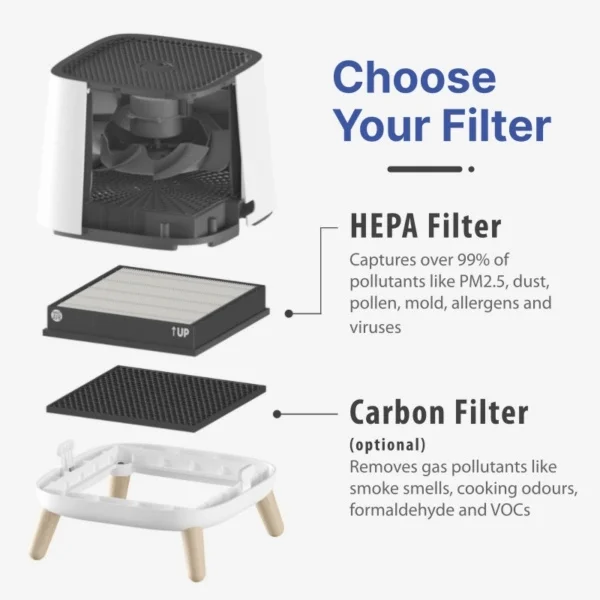
Today, most of the extra money pays for the brand, the advertising, retail margins, design and apps. It doesn’t buy you cleaner air. The fairest way to compare is to divide the price by the CADR, which tells you what you pay for each m³/h of clean air.
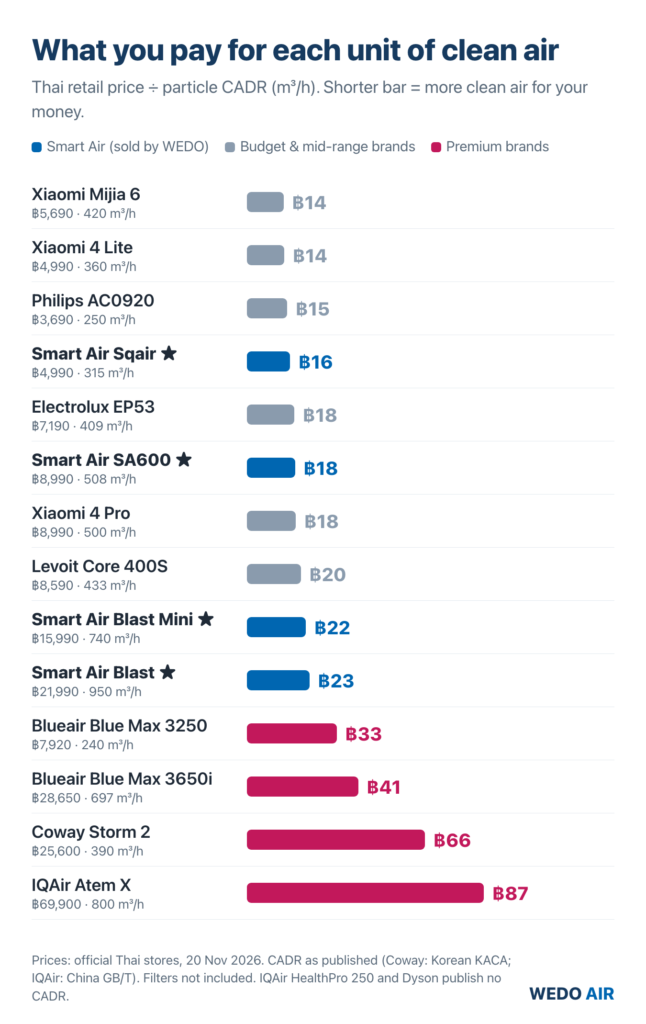
Here’s the honest picture. Smart Air isn’t the cheapest to buy: Xiaomi’s 4 Lite and Mijia 6 and Philips’ little AC0920 come out slightly ahead. All of them sit around ฿14–18 per m³/h. Blueair costs two to three times that, Coway about four times, and IQAir’s Atem X more than five times as much for each unit of clean air. IQAir doesn’t publish a CADR for the HealthPro 250 at all, and Dyson doesn’t for any of its purifiers. That tells you something too.
To be fair: what you do get for more money
If those things matter to you and money isn’t an issue, that’s a perfectly fine choice. Just don’t expect the air to be any cleaner.
Cheap isn’t automatically good either. Plenty of no-name purifiers print a CADR nobody ever tested. When Smart Air sent one of Thailand’s best-selling unbranded purifiers (over 100,000 sold) to a lab, it measured a CADR of 75 m³/h, less than a third of the 230 m³/h on the label. Stick to brands that publish a real CADR and noise figures you can check. I go deeper into this in Are Expensive Air Purifiers Worth It?
Gimmicks to skip
When brands can’t compete on clean air per baht, they add features. Most of them do nothing for PM2.5, and a few can make your air worse.
✕ Ionizers and “plasma”
They charge particles so they stick to your walls and furniture instead of the filter (that black grime is real). Some also produce ozone, which irritates your lungs. If a purifier has one, make sure you can switch it off.
✕ UV-C lights
Air rushes past the lamp in a fraction of a second, far too fast for the light to kill much. The HEPA filter already traps germs.
✕ Built-in PM2.5 sensors
They’re cheap and sit right next to the purifier. In one Smart Air test, a purifier’s sensor showed 23 µg/m³ while a reference monitor in the same room read 192. Auto mode then turns the fan down far too early.
✕ “Medical-grade”, H14, 99.99%
At home, H12 vs H13 vs H14 barely matters: any true HEPA filter catches the vast majority of PM2.5. What matters is how much air goes through it per hour.
What is worth paying for
Want to know if it’s working? Get a separate PM2.5 monitor and place it across the room. We use the Temtop S1. Here’s how to test your purifier.
All models compared side by side
Here are the numbers next to each other. ★ marks the purifiers WEDO sells. CADR and noise are what each manufacturer publishes; “Fits up to” is our estimate at five air changes per hour with a 2.6 m ceiling.
On a phone, swipe the table sideways to see every column.
|
Model |
Price |
CADR (m³/h) |
Noise (dB) |
Fits up to |
Filters / year |
฿ per m³/h |
|---|---|---|---|---|---|---|
|
Smart Air Sqair ★ |
฿4,990 |
315 |
23–52 |
24 m² |
~฿1,380 |
฿15.8 |
|
Smart Air SA600 ★ |
฿8,990 |
508 |
23.5–52.5 |
39 m² |
~฿1,800 |
฿17.7 |
|
Smart Air Blast Mini ★ |
฿15,990 |
740 |
36–49 |
57 m² |
~฿3,200 |
฿21.6 |
|
Smart Air Blast ★ |
฿21,990 |
950 |
29–43 |
73 m² |
~฿3,100 |
฿23.1 |
|
Xiaomi 4 Lite |
฿4,990 |
360 |
33–61 |
28 m² |
฿1,300–2,500 |
฿13.9 |
|
Xiaomi Mijia 6 |
฿5,690 |
420 |
32–64 |
32 m² |
฿1,400–2,900 |
฿13.5 |
|
Xiaomi 4 Pro |
฿8,990 |
500 |
34–65 |
38 m² |
฿1,300–2,600 |
฿18.0 |
|
Philips PureProtect Mini 900 (AC0920) |
฿3,690 |
250 |
20.5–49 |
19 m² |
฿1,190 |
฿14.8 |
|
Levoit Core 400S |
฿8,590 |
433 |
28–54 |
33 m² |
not stated |
฿19.8 |
|
Electrolux UltimateHome 500 (EP53) |
฿7,190 |
409 |
from 20 |
31 m² |
฿2,590 |
฿17.6 |
|
Blueair Blue Max 3250 (411i Max) |
฿7,920 |
240 |
18–46 |
18 m² |
~฿4,450 |
฿33.1 |
|
Blueair Blue Max 3650i (211i Max) |
฿28,650 |
697 |
23–53 |
54 m² |
~฿8,050 |
฿41.1 |
|
Coway Storm 2 |
฿25,600 |
390 † |
20–45 |
30 m² |
subscription |
฿65.6 |
|
IQAir Atem X |
฿69,900 |
800 † |
15–54 |
62 m² |
฿11,990 |
฿87.4 |
|
IQAir HealthPro 250 |
฿63,990 |
not published |
22–56 |
– |
not listed |
– |
|
Dyson Purifier Cool (TP10) |
฿12,900 |
not published |
up to 61 |
– |
not listed |
– |
|
Sharp Plasmacluster FP-J30TA |
฿2,740 |
not published |
23–44 |
– |
~฿615 |
– |
★ Sold by WEDO AIR. † Coway’s CADR follows the Korean KACA standard and the Atem X’s China’s GB/T standard, so they aren’t directly comparable. “Fits up to” = CADR ÷ (2.6 m ceiling × 5 air changes per hour). Filters per year use each brand’s rated filter life; in heavy smog they may need changing sooner. Prices from official Thai stores, seen on 20 November 2026.
What independent lab tests show
Manufacturer numbers are a starting point, not proof. HouseFresh, an independent testing site I respect for its honesty, measures every purifier in the same room with the same equipment, including how much clean air it delivers while staying below 45 dB, roughly what you’d accept in a bedroom. Their units are US or EU versions, but the hardware is the same or very close.
|
Model |
Claimed CADR |
Measured on max |
Measured below 45 dB |
|---|---|---|---|
|
Smart Air Blast Mini ★ |
740 |
680 |
462 |
|
IQAir Atem X |
800 |
729 |
389 |
|
Xiaomi 4 Pro |
500 |
484 |
296 |
|
Levoit Core 400S |
433 |
423 |
228 |
|
Smart Air SA600 ★ |
508 |
423 |
217 |
|
Philips 900 (AC0920) |
250 |
250 |
155 |
|
IQAir HealthPro Plus |
not published |
362 |
146 |
|
Dyson BP06 (Big+Quiet) |
not published |
336 |
– |
|
Dyson TP07 (Purifier Cool) |
not published |
160 |
– |
CADR in m³/h, measured by HouseFresh. ★ Sold by WEDO AIR.
What I take from this
The air purifiers we sell: my honest reviews
We chose to sell these four after years of comparing data and trying other brands. Here’s why, and what I’d change about each one if I could.
Smart Air Sqair: best for bedrooms
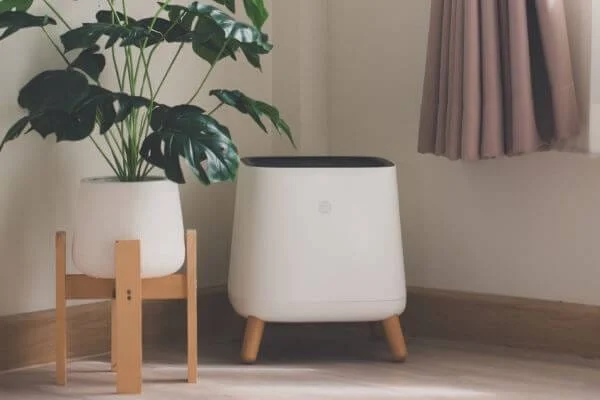
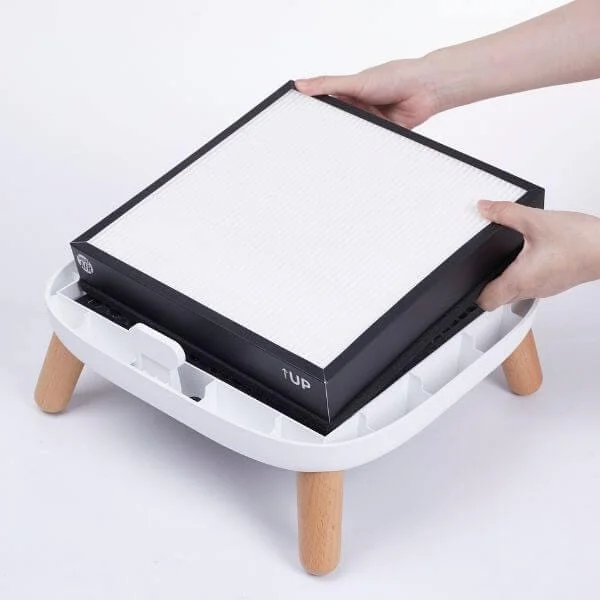
Left: the Sqair in a living room. Right: changing its HEPA filter takes about a minute.
The Sqair is the purifier I recommend most often. It’s a box with a strong fan, a HEPA filter and a three-speed dial. That’s it, and that’s the point.
With a CADR of 315 m³/h it handles bedrooms and small condos up to about 24 m² at our five-air-changes standard. (The box says 40 m², and by now you know what I think about box numbers.) In a typical 15–20 m² bedroom it can run on medium overnight and still keep up.
The filters are what make it such good value: the HEPA filter costs ฿690 and lasts about six months running 24/7, so you’re looking at around ฿1,380 a year. Smart Air is a social enterprise that started out testing purifiers and publishing the data openly, and that’s a big reason I trust them.
What I like
What I don’t
|
Spec |
Value |
|---|---|
|
CADR |
315 m³/h |
|
Fits up to |
~24 m² (box says 40 m²) |
|
Noise |
23–52 dB (low–high) |
|
Power |
6–38 W |
|
Filters |
HEPA ฿690 (~6 months), optional carbon ฿590 |
|
Size & weight |
33 × 33 × 37 cm, 6 kg |
|
Controls |
3-speed dial, no app, no sensor |
|
Warranty |
1 year (filters excluded) |
My verdict
The best-value bedroom purifier in Thailand
If your room is under about 24 m² and you don’t need an app, this is the one I’d buy. It’s the purifier I recommend most.
Smart Air SA600: best for condo living rooms
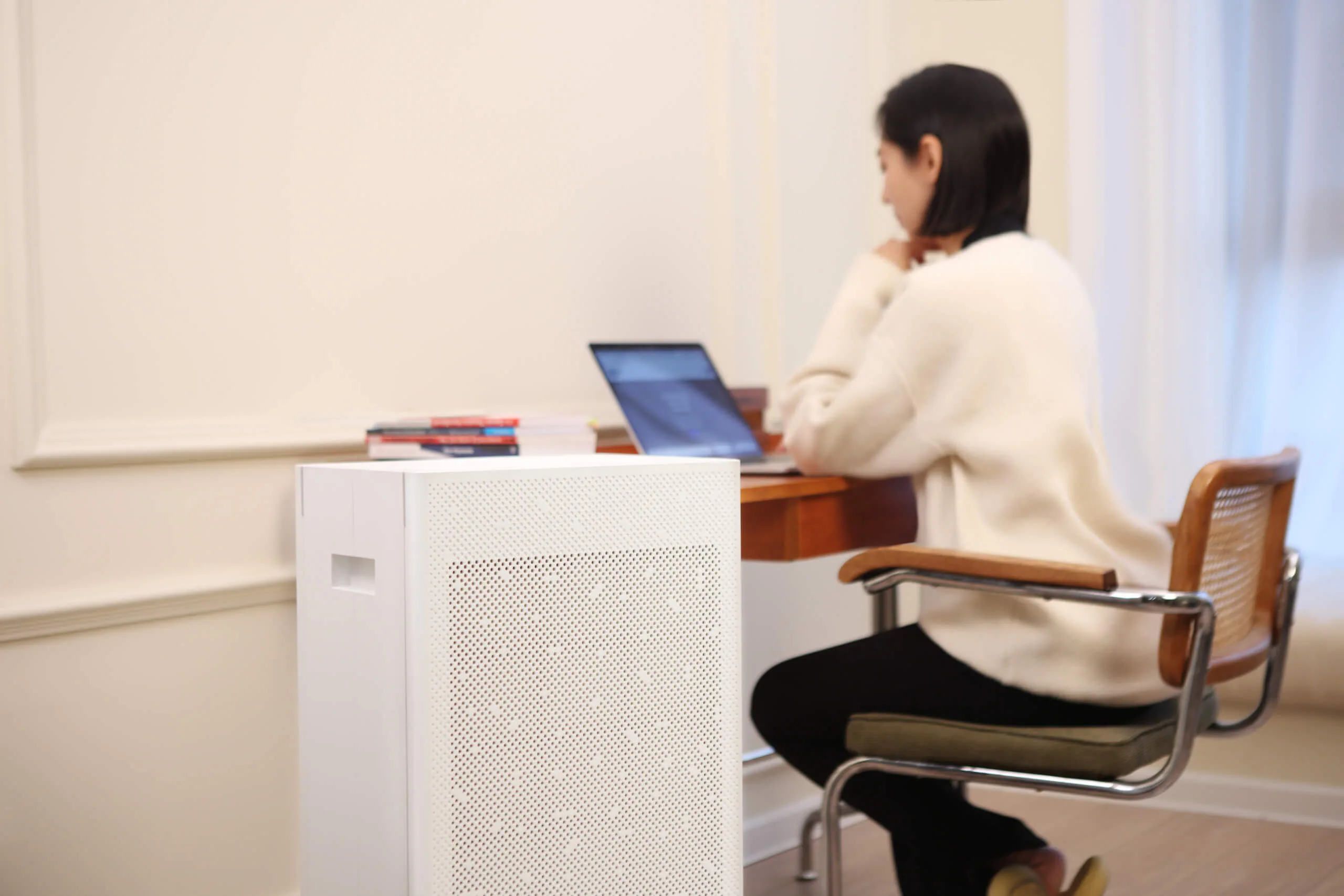
The SA600 is Smart Air’s newest purifier, and the one I’d pick for a condo living room or a large bedroom. It pulls air in from both sides, which lets it move 508 m³/h without sounding like a jet engine.
At five air changes per hour it covers about 39 m², a typical Bangkok one-bedroom living area with an open kitchen. Each side has a washable pre-filter, an H13 HEPA filter and a carbon filter for cooking and smoke smells, and a child lock keeps little hands off the buttons.
In the interest of honesty: when HouseFresh tested the SA600 in their lab, it delivered 423 m³/h on its top speed, below the 508 m³/h Smart Air rates it at. That’s still a lot of clean air for ฿8,990. Below 45 dB it managed about 217 m³/h, enough for a 17 m² bedroom at our standard. The filters are rated for 8 months: ฿1,190 for the pair of HEPA filters, ฿890 for the carbon pair, or ฿1,890 for both.
What I like
What I don’t
|
Spec |
Value |
|---|---|
|
CADR |
508 m³/h (HouseFresh measured 423) |
|
Fits up to |
~39 m² (box says 60 m²) |
|
Noise |
23.5–52.5 dB (5 speeds) |
|
Power |
11–60 W |
|
Filters |
2 × H13 HEPA (฿1,190 a pair), 2 × carbon (฿890), washable pre-filters; rated 8 months |
|
Size & weight |
32 × 36 × 74 cm, 6.9 kg |
|
Extras |
Child lock, no app |
|
Warranty |
1 year (filters excluded) |
My verdict
The sweet spot for most condos
If you’re buying one purifier for a living room between 25 and 40 m², or you want a bedroom that stays quiet, the SA600 is my pick.
Smart Air Blast Mini: best for big rooms and light sleepers
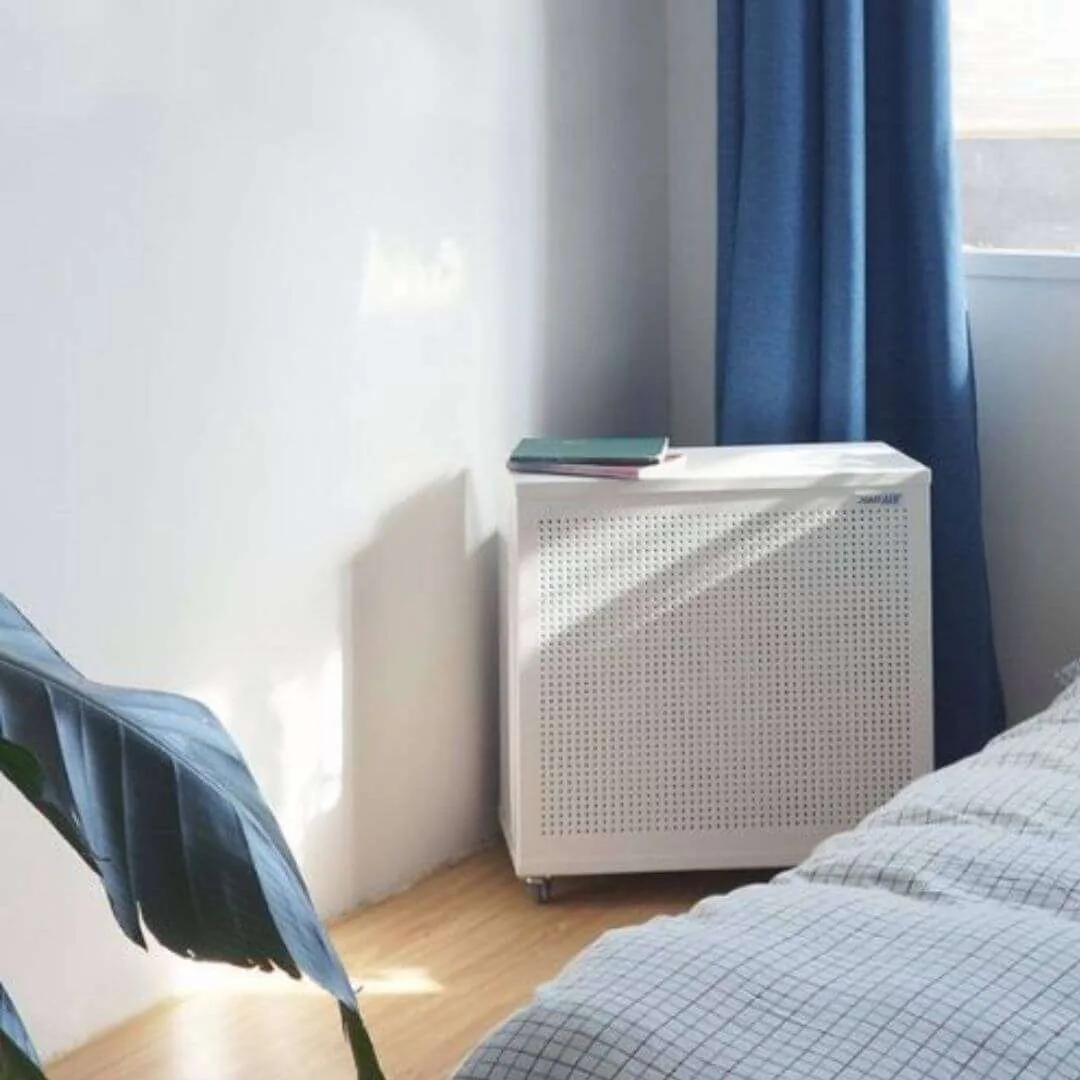
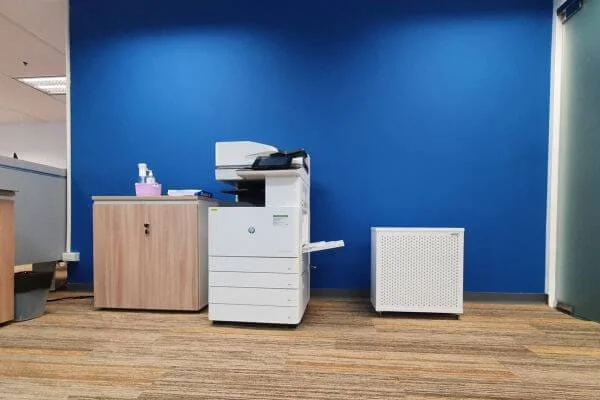
The Blast Mini in a bedroom (left) and in an office in Bangkok (right).
The Blast Mini looks like office equipment, because that’s where it started. Its whole front panel is the air outlet, and spreading the airflow over such a big area keeps it remarkably quiet for how much air it moves. Smart Air lists 49 dB on its top speed.
Independent testing backs up the big claim that matters. HouseFresh measured 680 m³/h on max, and 462 m³/h while staying under 45 dB, the most clean air at a bedroom-friendly volume of any model in our independent-test table. (They did measure it louder on max than Smart Air states: 56 dB rather than 49.)
With 740 m³/h it covers about 57 m² at five air changes per hour, so it’s right for big living rooms, open-plan condos, classrooms and meeting rooms. Its big HEPA filter is rated for 12 to 17 months, roughly ฿3,200 a year.
What I like
What I don’t
|
Spec |
Value |
|---|---|
|
CADR |
740 m³/h (HouseFresh measured 680) |
|
Fits up to |
~57 m² (box says 100 m²) |
|
Noise |
36–49 dB (Smart Air), 45–56 dB (HouseFresh) |
|
Power |
49–122 W |
|
Filters |
H13 HEPA ฿3,990, rated 12–17 months; carbon ฿1,950 |
|
Size & weight |
33 × 57.5 × 63 cm, 26 kg, lockable wheels |
|
Controls |
3-speed dial, no app |
|
Warranty |
1 year (filters excluded) |
My verdict
Big airflow without the noise
For rooms between 40 and 60 m², or for anyone who can’t sleep with a fan humming, the Blast Mini is the one. More large-room options here.
Smart Air Blast: best for open-plan homes, offices and clinics
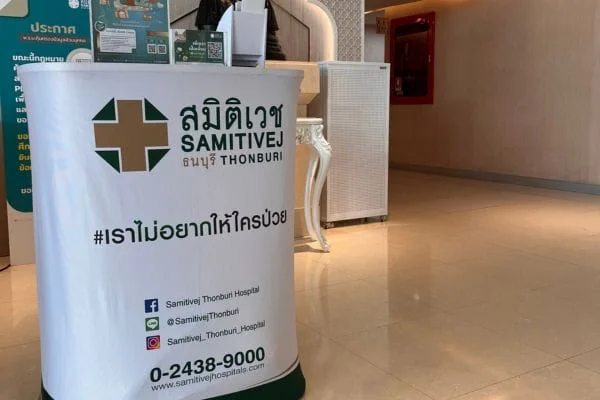
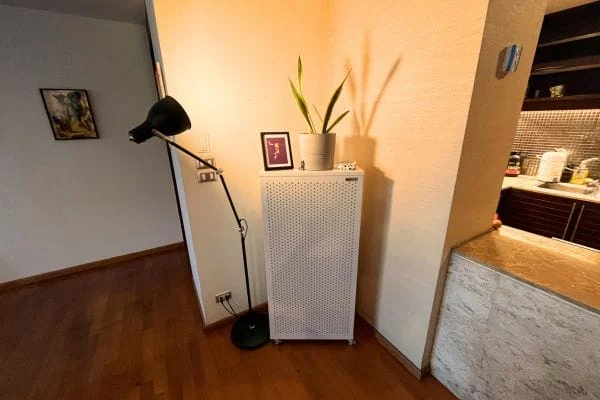
The Blast in the entrance hall of Samitivej Thonburi Hospital (left) and in a living room (right).
The Blast is the biggest purifier we sell: 950 m³/h, enough for about 73 m² at five air changes per hour, or a 100 m² office at a more relaxed three to four. You’ll find it in hospitals, gyms, schools and offices around Thailand, and in some very large living rooms.
Despite its power, Smart Air lists just 43 dB on its top speed, thanks to the same big perforated front panel as the Blast Mini. We haven’t seen an independent lab test of the Blast yet, so treat that figure as the manufacturer’s. Its huge HEPA filter is rated for 18 to 24 months. The downsides are size, weight and price, so it only makes sense if you really have a big space to clean.
What I like
What I don’t
|
Spec |
Value |
|---|---|
|
CADR |
950 m³/h |
|
Fits up to |
~73 m² (box says 150 m²) |
|
Noise |
29–43 dB (Smart Air figures) |
|
Power |
48–118 W |
|
Filters |
H13 HEPA ฿5,490, rated 18–24 months; carbon ฿2,950 |
|
Size & weight |
33 × 57 × 123 cm, 36 kg, lockable wheels |
|
Controls |
3-speed dial, no app |
|
Warranty |
1 year (filters excluded) |
My verdict
For spaces where one normal purifier isn’t enough
Offices, clinics, gyms, classrooms and open-plan houses. If you’re equipping a business, ask us for a quote.
Other brands: what I honestly think
We don’t sell any of these. Some are genuinely good machines, and if one fits you better, buy it. Here’s my honest take on the brands you’ll see most in Thai stores, using the same three numbers as everywhere else in this guide.
Xiaomi: the best budget alternative (if you pick the right model)
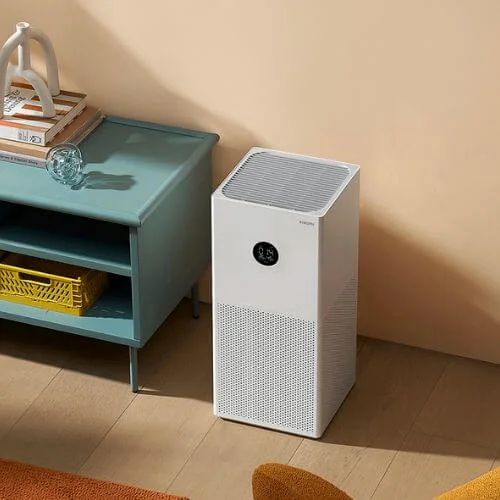
Good value
Xiaomi is the purifier most of my friends own, and honestly, it’s a decent choice. On paper, the 4 Lite and the newer Mijia 6 deliver more clean air per baht than anything else in this guide, our Sqair included.
The catch is noise. On high, the 4 Lite is rated at 61 dB and the Mijia 6 at 64 dB. That’s roughly twice as loud as a Sqair on its top speed, so at night you’ll probably turn them down, and with the fan goes most of the clean air.
The model matters, too. Xiaomi confirms the 4 Lite has no ionizer (some Thai retailers list one by mistake), but the 4 Pro, Elite and Mijia 6 do emit ions, and the Mijia 6 also has a UV-C lamp. Finally, Xiaomi filters are among the most faked on Shopee and Lazada, and grey-import units may not be covered by Xiaomi Thailand’s warranty. Buy from Xiaomi’s own store or a big retailer.
Good
Not so good
My take: If you want an app, the 4 Lite is the Xiaomi I’d buy for a bedroom. Run it on a fixed speed instead of auto mode.
Blueair: beautiful, but you pay for the design
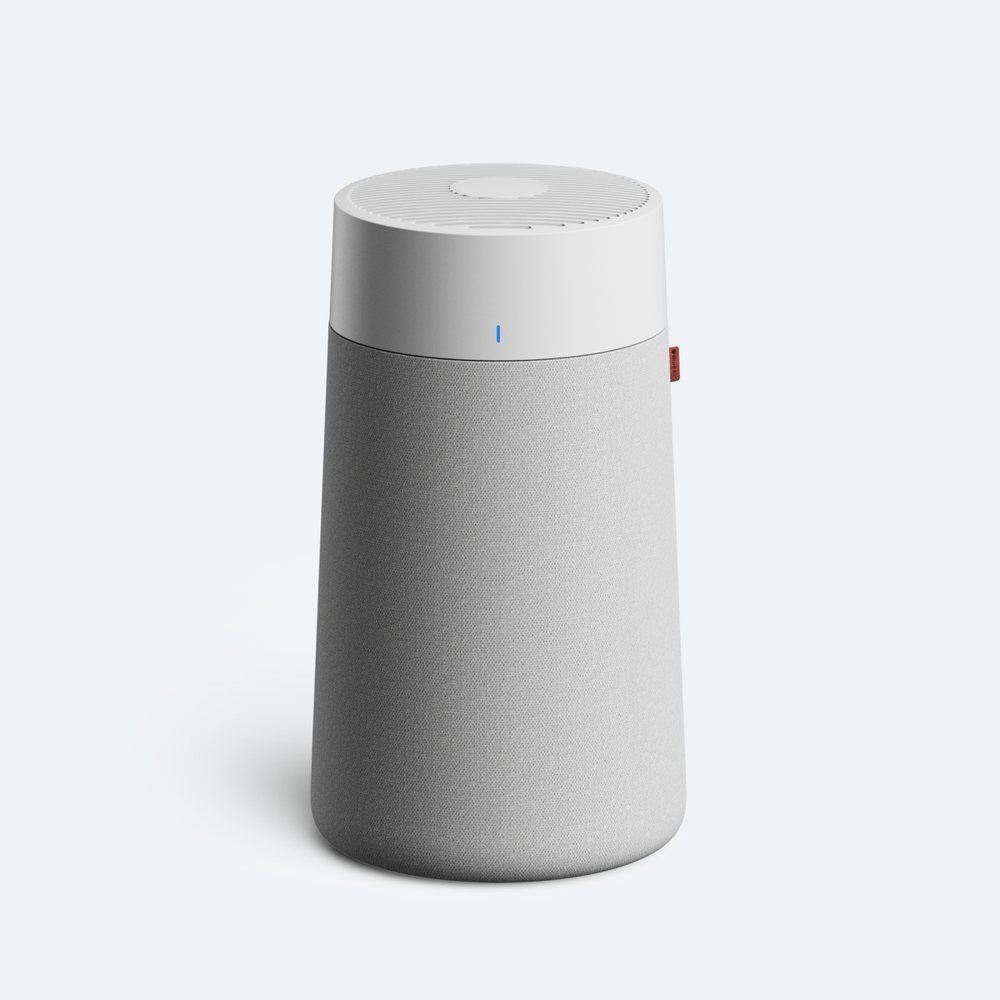
Expensive filters
Blueair makes some of the nicest-looking purifiers you can buy, and they’re quiet for their size. The small Blue Max 3250 (sold abroad as the 411i Max) is a perfectly good bedroom purifier if you love the look.
The problem is cost. Per m³/h of clean air, Blueair costs two to three times as much as a Sqair, and the filters are the real sting: about ฿2,223 every six months for the small model and ฿4,019 for the big one. Over three years, the filters for the Blue Max 3650i alone cost more than a whole Blast Mini.
Blueair’s HEPASilent technology also uses an ionizer to charge particles so the filter catches them more easily. Blueair says its purifiers are certified ozone-free, but there’s no switch to turn the ionizer off.
Good
Not so good
My take: Fine if design matters most and you accept the filter bill. For the same money you could clean a much bigger room.
IQAir: Swiss-built, and priced like it
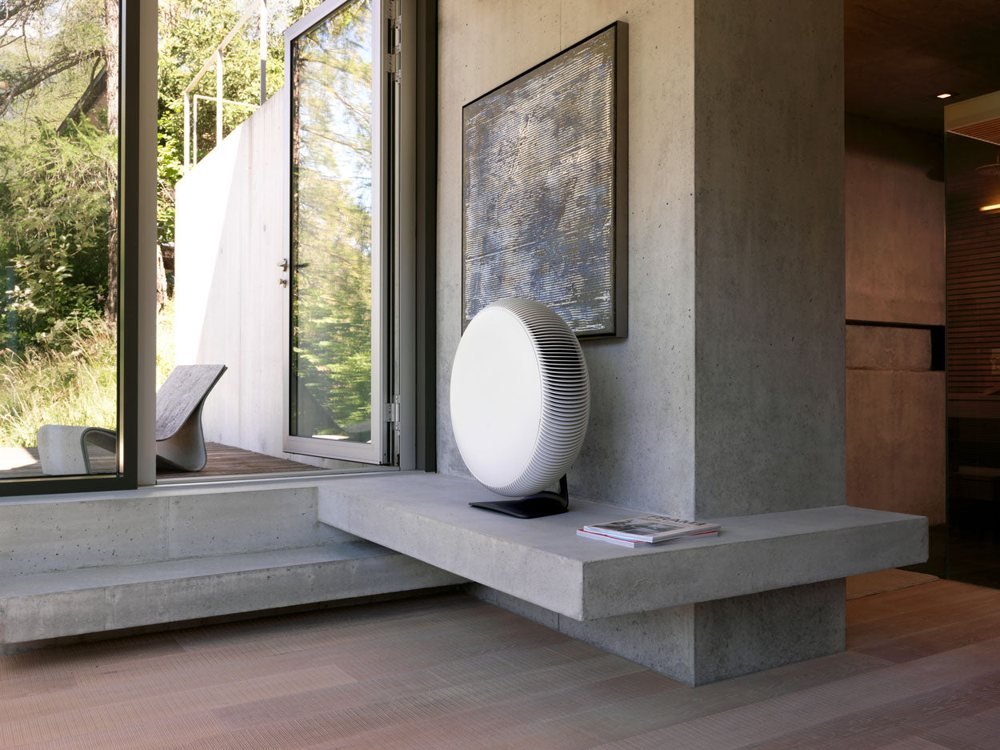
Paying for the name
IQAir is the original premium brand, and its machines are superbly built. The HealthPro’s filters are thick, the housing is sealed so no dirty air sneaks around the filter, and everything feels made to last.
But look at the numbers. IQAir doesn’t publish a CADR for the HealthPro 250 at all. In HouseFresh’s lab, the closely related HealthPro Plus delivered 362 m³/h on its top speed. That’s less than our SA600 managed in the same lab (423 m³/h), at about seven times the price.
The newer Atem X is much stronger: 800 m³/h on paper and 729 m³/h measured by HouseFresh. But at ฿69,900 plus ฿11,990 a year for filters, you could buy three Blasts for the same money.
Good
Not so good
My take: Lovely machines. But nothing about them makes your air cleaner than a well-sized purifier at a fraction of the price.
Philips: good value, with a catch
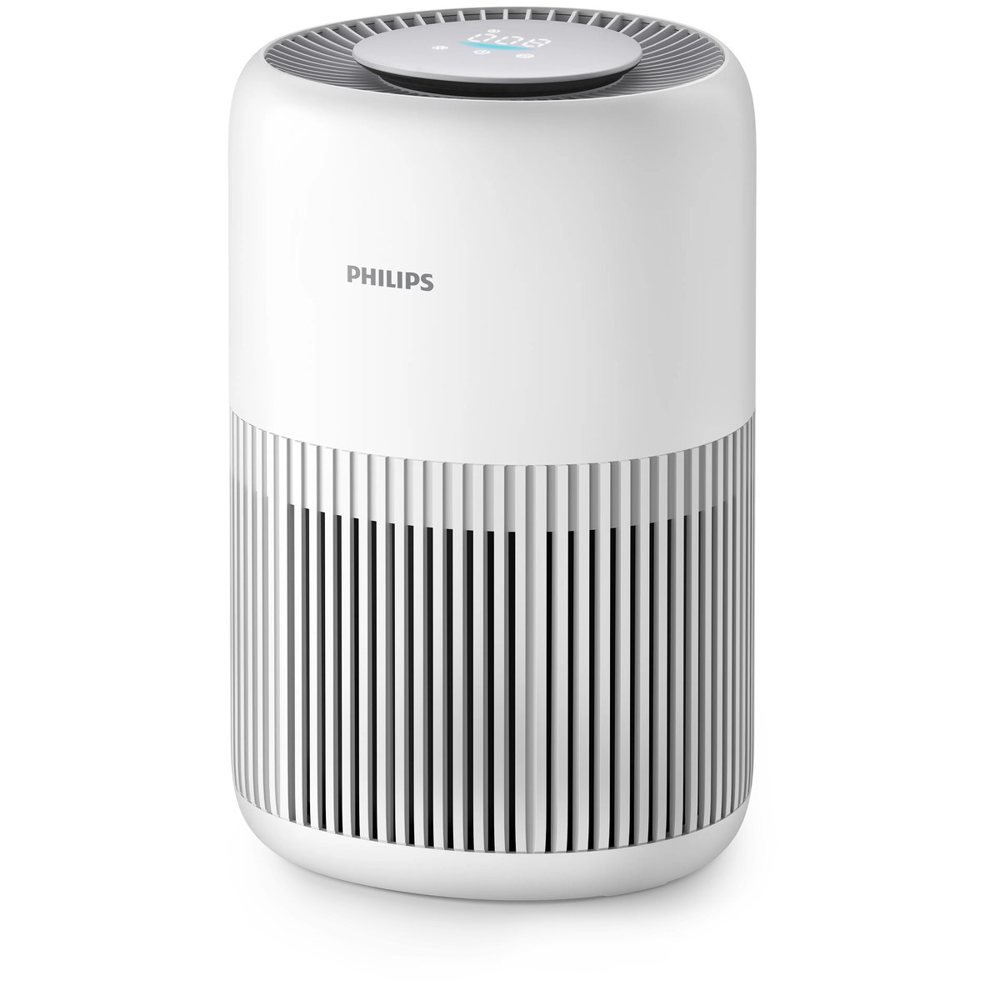
Watch the filter lock
Philips’ small purifiers are better value than most people expect. The PureProtect Mini 900 delivers 250 m³/h for ฿3,690, which HouseFresh’s test confirmed, and its filter is rated for a full year.
Two things bother me. First, the room sizes: Philips says the AC0920 handles up to 65 m². At five air changes per hour it really covers about 19 m². Second, the “healthy air protect lock”: when the filter timer runs out, the purifier stops working until you fit a new filter. That’s a sales tactic, not a health feature.
Good
Not so good
My take: A good budget pick for a small bedroom, as long as you’re OK with the filter lock.
Dyson: a beautiful fan that also purifies
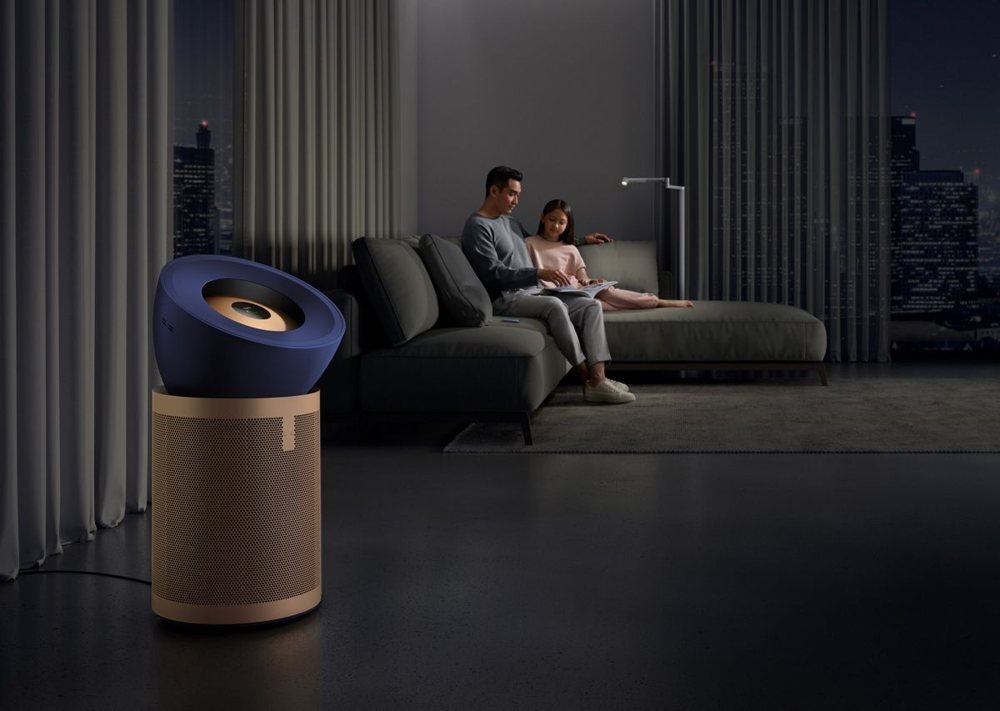
Skip it for PM2.5
Dyson’s purifiers double as fans, look stunning and come with a great app. What Dyson doesn’t publish is a CADR. It uses its own “POLAR” test instead, which makes it impossible to compare with anything else on this page.
Independent tests aren’t flattering. HouseFresh measured the Purifier Cool TP07, the TP10’s close sibling, at about 160 m³/h on max: roughly half a Sqair, for more than twice the price.
Good
Not so good
My take: Buy it as a premium fan. If clean air is the goal, your money goes much further elsewhere.
Quick takes on other popular models
You’ll also see these in Thai stores and in forum recommendations:
|
Brand & model |
Price |
CADR |
My quick take |
|---|---|---|---|
|
Levoit Core 400S |
฿8,590 |
433 m³/h |
A solid, honest mid-size purifier: HouseFresh measured 423 m³/h. Similar value to the SA600, with an app and sensor. |
|
Levoit Core 300S |
฿5,599 |
258 m³/h |
Fine for a small bedroom, but a Sqair gives you more clean air for less. |
|
Electrolux UltimateHome 500 (EP53) |
฿7,190 |
409 m³/h |
Reasonable value from a brand with good service in Thailand. Filters cost ฿2,590 a year. |
|
Coway Storm 2 |
฿25,600 or a monthly plan |
390 m³/h (KACA) |
Quiet and well made, but mostly sold on subscription. Do the maths first (see the FAQ). |
|
Xiaomi Elite |
฿11,990 |
600 m³/h |
Strong, but uses plasma ions and claims up to 125 m². Realistically it covers about 46 m². |
|
Sharp Plasmacluster FP-J30TA |
฿2,740 |
Not published |
A forum favorite under ฿3,000: quiet, with long-life filters. But no published CADR, and Plasmacluster is an ion generator. |
Prices from official Thai stores, seen on 20 November 2026.
So, which air purifier should you buy?
Find your situation below. If you’re still unsure, message us your room size and we’ll tell you honestly what you need, even if it’s not something we sell.
A bedroom up to about 20 m²
Sqair
Quiet enough for sleep on medium, cheap to run. Prefer an app? The Xiaomi 4 Lite is the alternative.
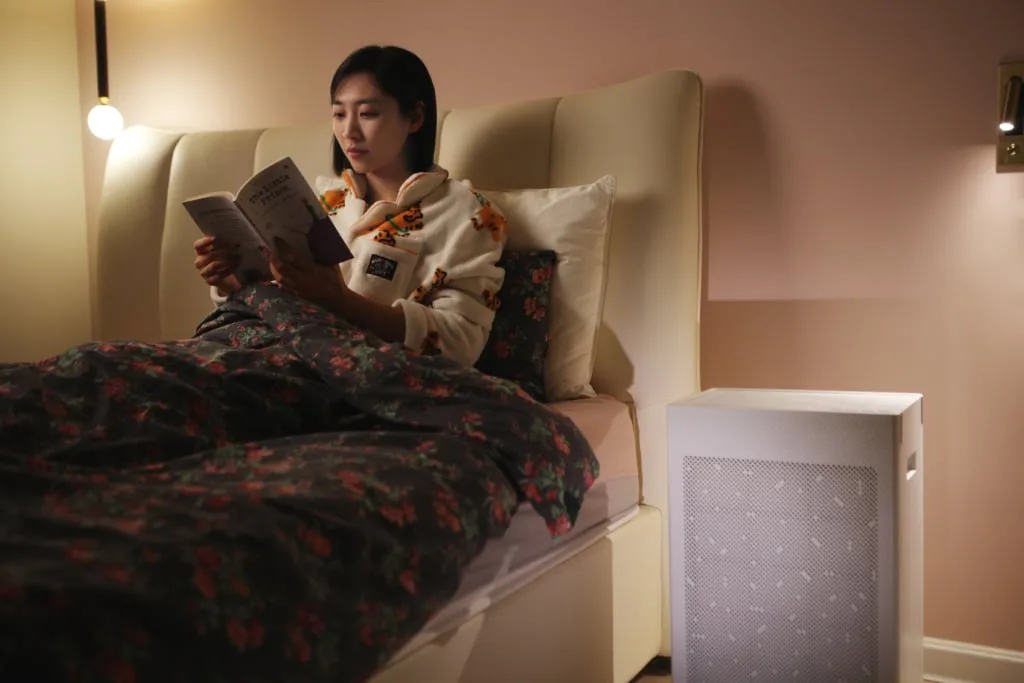
A condo living room or studio, 25–40 m²
SA600
Enough airflow to run quietly, plus a carbon layer for cooking smells.
A big room, 40–60 m², or you hate noise
Blast Mini
Big clean-air output at a volume you can sleep next to.
An office, clinic, gym or open-plan home
Blast
Or two smaller units in separate rooms. Ask us to size it for you.
You want a premium brand anyway
Blueair Blue Max 3250
Quiet and beautiful. Budget about ฿4,400 a year for filters, and know you’re paying for the design.
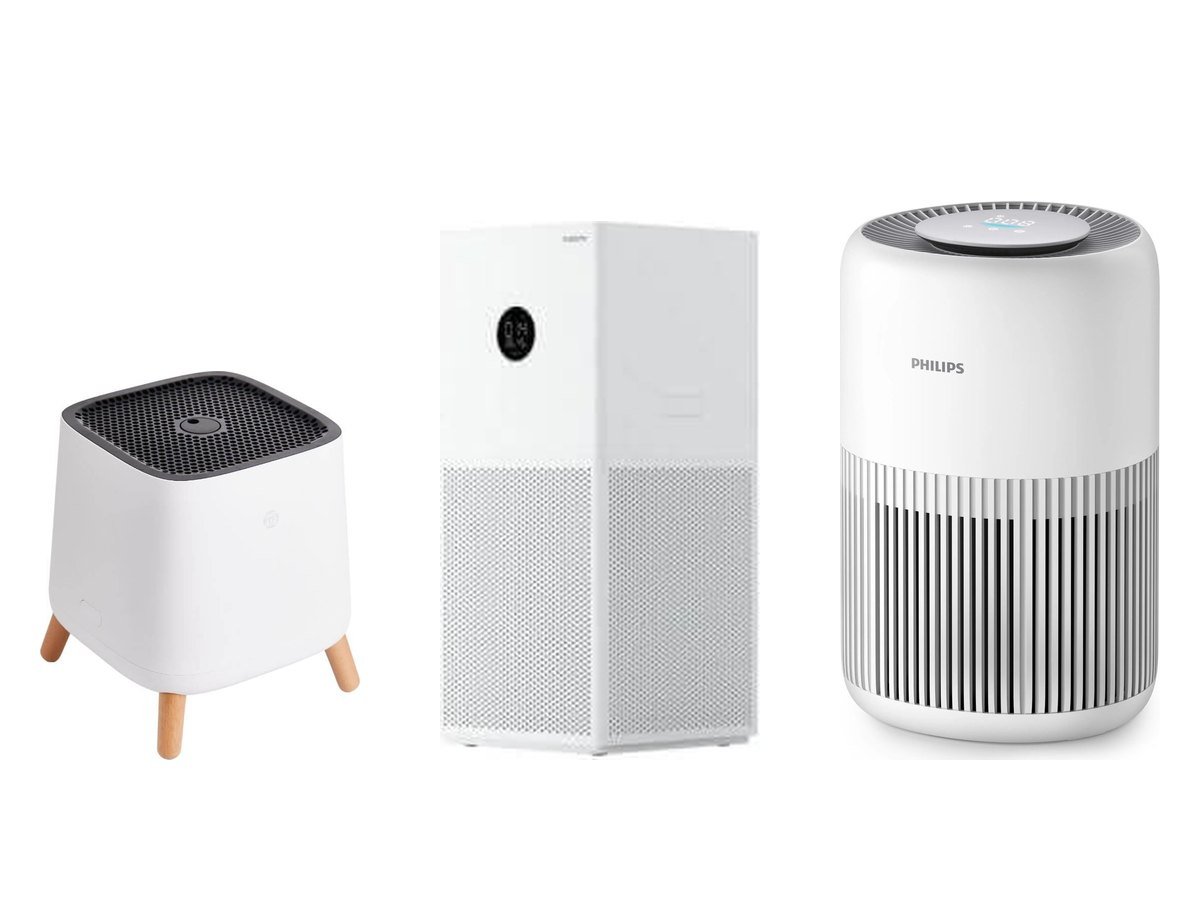
You’re on a very tight budget
Sqair, Xiaomi 4 Lite or Philips AC0920
All three clean a small bedroom well. Skip the no-name ฿1,500 purifiers with untested CADR claims.
Six tips for buying an air purifier in Thailand
- Buy before the smog arrives. When the air turns bad, popular purifiers and filters often sell out and delivery takes longer. In the north, aim to be set up by December.
- Buy from official stores. Fake purifiers and filters are common on marketplaces. Official brand stores, big retailers or the importer are safer.
- Check the filter before the machine. Look up the replacement filter’s price and whether it’s actually in stock in Thailand.
- Ask about warranty and service in Thailand. Grey imports are cheaper, but nobody will fix them here.
- Close the windows and run it 24/7 in smog season. Your air conditioner recirculates air but doesn’t remove much PM2.5. Using both together works well.
- Measure, don’t guess. A PM2.5 monitor across the room shows you if your purifier is keeping up.
Where to put it
Put the purifier in the room where you spend the most time, usually the bedroom. Give it about 30 cm of space from walls and furniture, don’t hide it behind the sofa, and keep the door closed so it only has to clean one room.
How we put this guide together
I want you to know where every number comes from, and where our knowledge ends.
Sources: Smart Air specs · Xiaomi 4 Lite · Xiaomi 4 Pro · Mijia 6 (HomePro) · Philips AC0920 · Levoit Core 400S · Electrolux EP53 · Blueair 3250 · Blueair 3650i · Coway Storm 2 · IQAir Atem X · IQAir HealthPro · Dyson TP10 · Sharp FP-J30TA · HouseFresh lab tests · AHAM air-change guidance.
Frequently asked questions
Still not sure which one you need?
Tell us your room size and what bothers you most (smog, allergies, pets, smells). We’ll recommend what fits, even if it’s not something we sell.

Karl von Luckwald
Since moving to Thailand in 2019, Karl noticed the lack of scientific integrity in air purifier and water filter reviews. In response, he founded WE DO AIR to champion unbiased, science-based evaluations and empower consumers to make better-informed decisions.